 Published: November 12, 2025
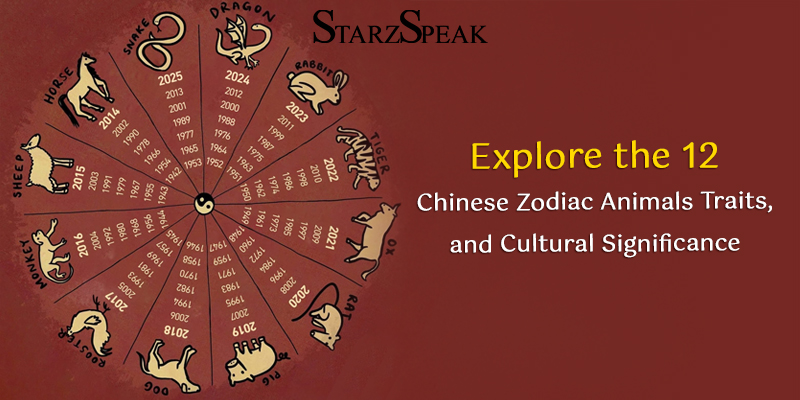
Chinese Zodiac Animals: The Chinese Zodiac follows a 12-year cycle, each year represented by one of the 12 animals that completed the Jade Emperor’s legendary Great Race.
In 2025, the Chinese New Year welcomes the Year of the Snake, which will be followed by the Year of the Horse in 2026, and so on as the zodiac animals repeat their cycle.
The Chinese lunar calendar is lunisolar, meaning it’s based on both the moon’s phases and the sun’s position. Because of this, the Chinese New Year date changes slightly every year. Also known as the Spring Festival, it celebrates the transition from winter to spring and begins on the new moon that appears between January 21 and February 20. The festivities last for 15 days, ending with the colorful and joyous Lantern Festival.
If you ever find it tricky to recall all 12 Chinese zodiac animals (you’re not alone—it’s a lot to remember!), here’s a quick and easy list to keep in mind:
Each sign brings its own unique strengths and qualities, painting a fascinating picture of personality through ancient Chinese wisdom.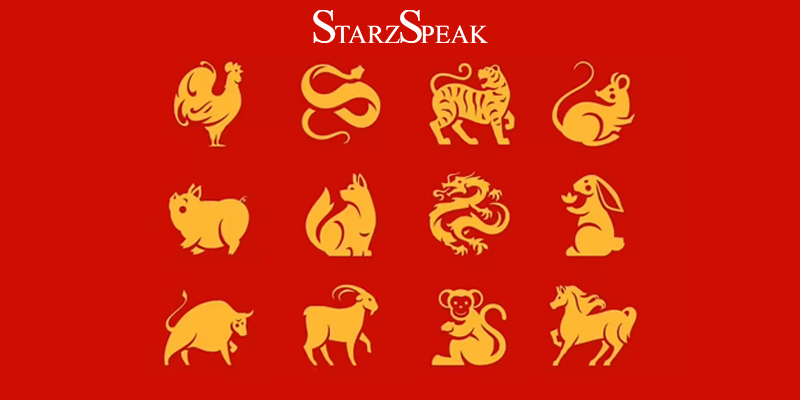
The story of the Chinese Zodiac Animals comes from an ancient and fascinating legend known as The Great Race. According to Chinese mythology, the Jade Emperor, ruler of heaven, wanted to create a way to measure time. To decide which animals would represent each year, he invited all creatures to take part in a grand race across a wide river. The first twelve animals to reach the finish line would earn a place in the zodiac calendar.
Among the racers were Cat and Rat, who were good friends at the time. Knowing they weren’t strong swimmers, they asked Ox for help and hitched a ride on his back. Ox, being kind and steady, agreed and began swimming across the river. But as they neared the opposite shore, Rat grew anxious about losing and pushed Cat into the water before leaping ahead to reach the finish line first. That clever move made Rat the first animal in the zodiac, followed by the loyal Ox.
Further behind, Dragon, though powerful and capable of flying straight across, stopped to help others along the way and therefore finished fifth—earning admiration for his kindness. As for Cat, it never managed to finish the race and was left furious with Rat, which is why, as the legend goes, cats still chase rats to this day.
This timeless tale not only explains the order of the zodiac animals but also teaches lessons about cleverness, kindness, and the consequences of betrayal.
For instance, in Vietnam, the zodiac has a few notable differences:
These small but meaningful changes reflect how different cultures interpret the zodiac through their own landscapes, traditions, and beliefs, making each version of the zodiac uniquely special.
Chinese New Year, also known as the Spring Festival, is filled with age-old customs and symbols meant to attract luck, happiness, and prosperity for the year ahead. Every tradition carries a special meaning, passed down through generations. (Chinese Zodiac Animals)
Some of the most cherished customs include:
Along with these, several traditional beliefs shape the celebrations:
Together, these customs create a vibrant celebration that honors both family unity and hopeful beginnings for the year ahead.
The Chinese Zodiac Animals and Chinese New Year traditions beautifully reflect the deep cultural wisdom, symbolism, and values that have been passed down for centuries. From the legendary Great Race that gave us the twelve zodiac animals to the colorful celebrations filled with red lanterns, lucky envelopes, and joyful family gatherings, every custom carries a message of hope, renewal, and harmony.
Whether it’s learning about your zodiac sign, joining in festive rituals, or simply appreciating the stories behind them, these traditions remind us of the importance of gratitude, togetherness, and positive beginnings. As each New Year arrives, it brings not just a change in the calendar, but also an opportunity to invite luck, happiness, and prosperity into our lives.
Dr. Sandeep Ahuja, an Ayurvedic doctor with 14 years’ experience, blends holistic health, astrology, and Ayurveda, sharing wellness practices that restore mind-body balance and spiritual harmony.


Unit 303,304,305, Tower 4, DLF CORPORATE GREENS, Southern Peripheral Rd, Sector 74A, Gurugram, Haryana 122004


Powered by Mirth Media Group
Copyright © 2024 StarzSpeak. All Right Reserved.